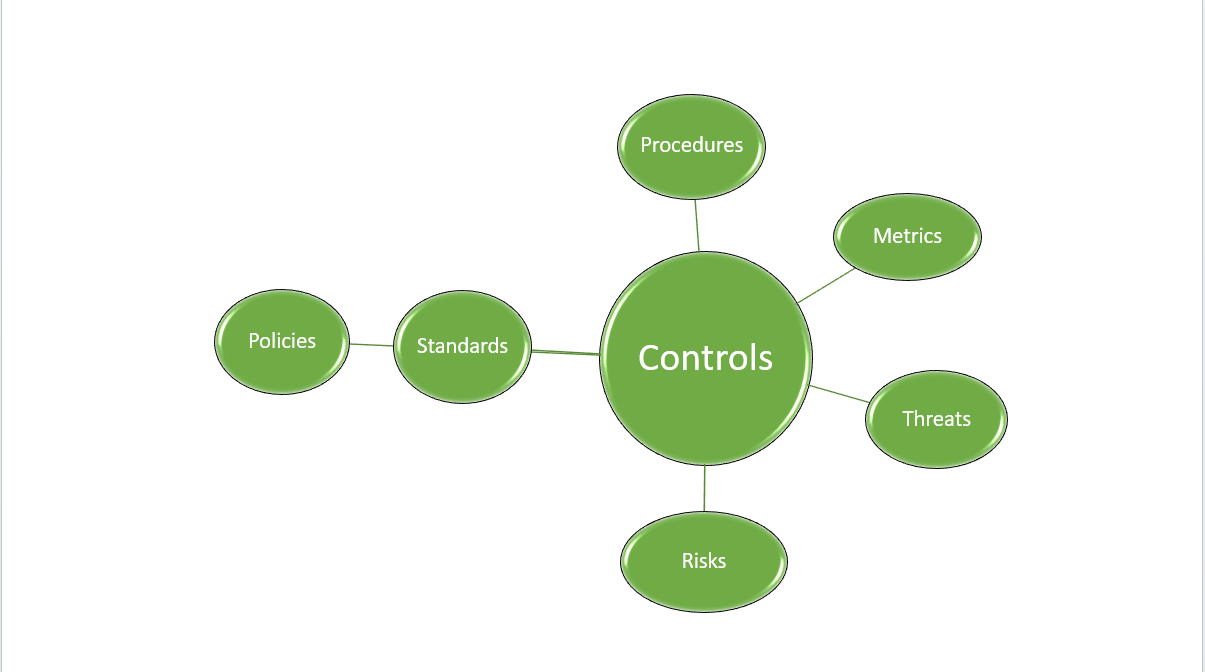

Integrated Risk Management involves considering cybersecurity risks alongside broader organizational risks, including operational, financial, and compliance risks. By integrating IRM with ISO 27001, organizations can achieve a comprehensive risk management approach that addresses both technical and non-technical vulnerabilities, ensuring well-rounded protection of critical information assets.
The integration of IRM with ISO 27001 allows organizations to conduct thorough risk assessments that encompass a broad spectrum of risks. This includes identifying potential threats, assessing their likelihood and impact, and understanding the vulnerabilities that expose critical information assets to risks. By conducting comprehensive risk assessments, organizations gain a clearer understanding of their risk landscape and can prioritize risk mitigation efforts more effectively.
ISO 27001 provides a globally recognized framework for establishing and maintaining an Information Security Management System (ISMS). By aligning the identified risks with the controls outlined in ISO 27001, organizations can ensure that their risk mitigation efforts are consistent with industry best practices and recognized standards. This alignment enhances the organization's ability to address identified risks and comply with information security requirements.
The integration of IRM with ISO 27001 enables organizations to develop tailored risk treatment plans. These plans specify the actions, controls, and measures necessary to mitigate identified risks effectively. By leveraging the controls outlined in ISO 27001 and integrating them into the risk treatment measures, organizations can implement a range of technical, procedural, and organizational safeguards to reduce the likelihood and impact of risks.
An integrated approach to risk management and ISO 27001 allows for continuous monitoring of risks and their treatment measures. By leveraging risk management tools, threat intelligence, and regular assessments, organizations can detect changes in the risk landscape and emerging threats promptly. This enables them to adapt their risk treatment measures and information security practices to stay ahead of evolving cyber risks.
IRM with ISO 27001 strengthens an organization's compliance efforts. ISO 27001 provides a structured approach to meeting regulatory and legal requirements related to information security. By implementing ISO 27001 controls in line with risk management priorities, organizations can demonstrate compliance with industry regulations, enhancing stakeholder confidence and reducing legal and reputational risks.
In an ever-evolving threat landscape, organizations need a comprehensive and proactive approach to cybersecurity. By integrating Integrated Risk Management practices with the globally recognized ISO 27001 standard, organizations can establish a robust framework to effectively manage cyber risks. This integration enables a holistic view of risks, alignment with recognized standards, optimized resource allocation, and ongoing monitoring and improvement. By leveraging this integrated approach, organizations can enhance their cybersecurity posture, protect critical information assets, and instil confidence in stakeholders, ultimately mitigating the impact of cyber threats.