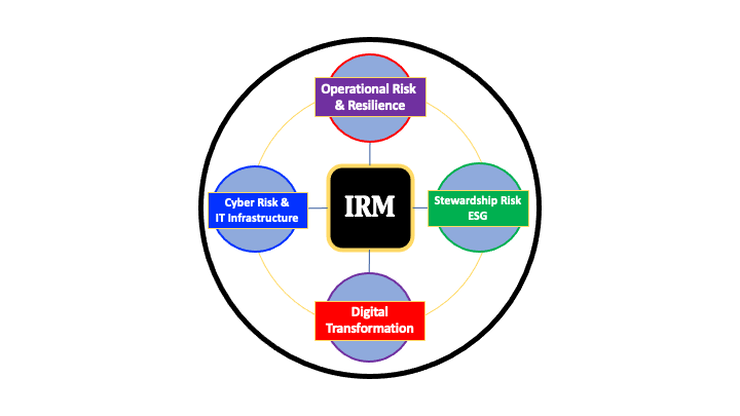

In today's dynamic business landscape, organizations face a multitude of risks that can impact their operations, reputation, and overall success. To effectively navigate these challenges, a siloed approach to risk management is no longer sufficient. Instead, organizations must embrace an integrated approach to risk management that brings together risk, compliance, and governance functions. In this article, I explore the benefits and challenges of adopting integrated risk management and how it can enhance organizational resilience and agility.
Enhancing Risk Visibility and Decision-Making
One of the key advantages of integrated risk management is the enhanced visibility it provides across the organization. By breaking down silos and fostering collaboration between risk, compliance, and governance teams, organizations gain a holistic view of risks, controls, and compliance obligations. This integrated perspective enables more informed decision-making, as stakeholders can assess the interdependencies between various risks and make better strategic choices to mitigate them effectively.
Streamlining Processes and Improving Efficiency
Integrated risk management streamlines processes by eliminating redundancies and overlapping activities. By aligning risk assessment methodologies, control frameworks, and compliance requirements, organizations can avoid duplicative efforts and allocate resources more efficiently. This streamlined approach not only reduces costs but also enhances operational effectiveness, allowing organizations to proactively identify and address risks while optimizing their risk management efforts.
Fostering a Culture of Risk Awareness and Accountability
When risk management becomes an integral part of an organization's culture, it permeates throughout all levels and functions. Integrated risk management facilitates the creation of a culture of risk awareness and accountability by fostering collaboration and communication. Employees become more engaged in identifying and reporting risks, leading to improved risk mitigation strategies and a proactive risk management mindset across the organization.
Improving Compliance and Regulatory Response
Compliance with laws, regulations, and industry standards is a critical aspect of risk management. Integrated risk management ensures that compliance requirements are incorporated into risk assessments and controls, reducing the risk of non-compliance. By breaking down silos between risk and compliance functions, organizations can more effectively monitor regulatory changes, adapt their processes, and respond promptly to emerging compliance challenges.
Overcoming Challenges
While the benefits of integrated risk management are clear, organizations may encounter challenges during the implementation process. Some of these challenges include cultural resistance to change, disparate systems and data sources, and the need for effective communication and collaboration across departments. However, by addressing these challenges through effective change management strategies, investing in appropriate technology solutions, and fostering a culture of collaboration, organizations can successfully implement integrated risk management practices.
In a nutshell, Integrated risk management presents organizations with an opportunity to build resilience and enhance agility in the face of evolving risks. By breaking down silos and fostering collaboration between risk, compliance, and governance functions, organizations can gain a holistic view of risks, streamline processes, and foster a risk-aware culture. While challenges may arise, overcoming them through effective change management and leveraging technology can lead to successful implementation. Embracing integrated risk management is an essential step toward building a robust risk management framework that enhances organizational resilience and enables sustainable growth in today's complex business environment.